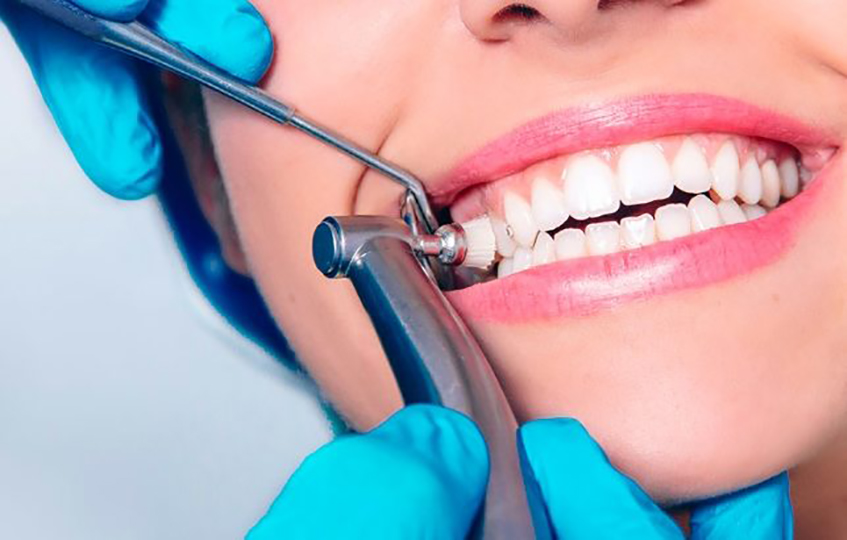
Modern dentistry has evolved considerably, offering advanced techniques and personalized treatment options that improve patient outcomes. However, the effectiveness of these advancements depends largely on the quality of care provided. Patients who receive professional and comprehensive dental services are more likely to experience better results, greater comfort, and long-term oral health benefits. Understanding the impact of quality dental care can help individuals make informed decisions about their treatment and overall well-being.
The Foundation of Quality Dental Care
Quality dental care begins with a patient-focused approach that prioritizes both prevention and treatment. Skilled dental professionals take the time to understand each patient’s unique needs, concerns, and oral health goals. This personalized approach allows dentists to create treatment plans that address specific conditions while supporting long-term oral health. Patients often feel more confident when they know their care is tailored to their individual circumstances.
A strong foundation also includes ongoing communication and education. Dentists who explain procedures clearly and answer questions help patients make informed decisions about their care. Open communication builds trust and encourages patients to participate actively in maintaining their oral health. This collaborative relationship contributes to better treatment outcomes and a more positive dental experience.
Accurate Diagnosis Leads to Better Treatment
One of the most important aspects of quality dental services is the ability to identify oral health issues accurately. Early and precise diagnosis allows dentists to address problems before they become more severe. Conditions such as cavities, gum disease, and oral infections can often be treated more effectively when detected in their early stages. Timely intervention reduces the risk of complications and supports better long-term results.
Advanced diagnostic tools further enhance the accuracy of dental evaluations. Modern imaging technology and detailed examinations help dentists gain a clearer understanding of a patient's oral health. With accurate information, treatment plans can be developed more effectively and efficiently. This level of precision improves both patient care and treatment success.
The Importance of Preventive Dental Services
Preventive care is one of the most valuable components of quality dental services. Regular dental examinations and professional cleanings help prevent common oral health problems before they require extensive treatment. Preventive care allows dental professionals to monitor changes in oral health and identify potential concerns early. This proactive approach helps protect patients from avoidable complications.
Preventive dentistry also promotes patient education. Dentists provide guidance on proper brushing, flossing, and dietary habits that support oral health. These recommendations empower patients to take better care of their teeth and gums between appointments. Consistent preventive care creates a strong foundation for lifelong oral health and reduces the likelihood of future dental problems.
Enhancing Patient Comfort and Experience
Patient comfort plays an essential role in successful dental care. Quality dental practices focus on creating a welcoming and supportive environment that helps reduce anxiety and stress. Friendly staff, clear communication, and compassionate care contribute to a positive experience from the moment a patient enters the clinic. Comfortable patients are more likely to maintain regular dental visits and follow recommended treatment plans.
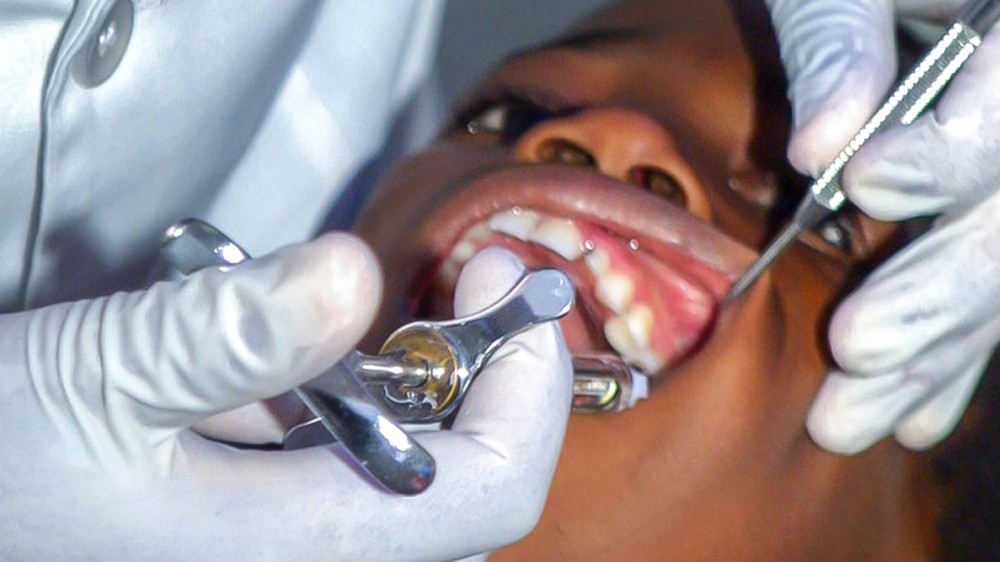
Modern dentistry also offers techniques and technologies that improve comfort during procedures. Many treatments can now be completed more efficiently and with less discomfort than in the past. By prioritizing patient well-being, dental professionals help create experiences that encourage ongoing care. Positive experiences strengthen trust and improve overall satisfaction with dental treatment.
Personalized Treatment Plans Improve Outcomes
Every patient has unique oral health needs that require individualized attention. Quality dental services recognize these differences and develop treatment plans tailored to specific conditions and goals. Personalized care ensures that treatments are both appropriate and effective for each patient. This approach often leads to more predictable and successful outcomes.
Customized treatment plans also allow dentists to consider factors such as age, medical history, lifestyle, and long-term objectives. By evaluating the complete picture, dental professionals can recommend solutions that provide lasting benefits. Personalized care helps patients achieve better results while minimizing unnecessary procedures. It reflects a commitment to delivering high-quality treatment that meets individual needs.
The Role of Advanced Dental Technology
Technology has transformed many aspects of modern dentistry, improving both efficiency and accuracy. Advanced diagnostic equipment allows dentists to detect issues earlier and develop more effective treatment strategies. Digital imaging, intraoral cameras, and other innovations provide detailed insights into oral health conditions. These tools support more informed decision-making and improved patient care.
Technological advancements also enhance treatment precision. Modern equipment often allows procedures to be performed with greater accuracy and less disruption to surrounding tissues. Patients benefit from shorter treatment times, improved comfort, and more predictable outcomes. Dental practices that invest in advanced technology demonstrate their commitment to delivering quality care.
Building Trust Through Consistent Care
Trust is an important factor in every healthcare relationship, including dentistry. Patients are more likely to follow treatment recommendations and attend regular appointments when they trust their dental provider. Quality dental services foster trust through professionalism, transparency, and consistent communication. A positive relationship between patients and dental professionals supports better oral health outcomes.
Consistency in care also allows dentists to monitor oral health over time. Familiarity with a patient’s history enables more accurate assessments and timely interventions. Long-term relationships create opportunities for preventive care and early detection of potential issues. Building trust through ongoing care benefits both patients and dental professionals alike.
Supporting Long-Term Oral Health
Quality dental services focus not only on immediate concerns but also on long-term oral health. Comprehensive care helps patients maintain healthy teeth and gums while reducing the risk of future complications. Regular monitoring, preventive treatments, and personalized guidance contribute to lasting oral health benefits. Long-term planning is essential for maintaining a healthy smile throughout life.
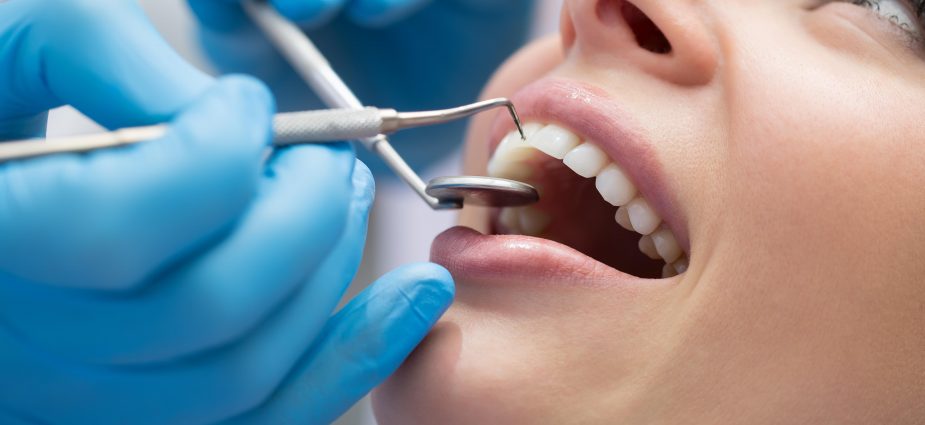
Patients who prioritize quality dental care often experience fewer dental emergencies and lower treatment costs over time. Early intervention and preventive strategies help address issues before they become serious. This proactive approach supports both oral health and overall well-being. Investing in quality care today can lead to healthier outcomes in the future.
The Impact on Overall Quality of Life
Oral health affects many aspects of daily life, including eating, speaking, and self-confidence. Dental problems can cause discomfort and interfere with normal activities. Quality dental services help patients maintain healthy smiles that support both physical and emotional well-being. Effective treatment can restore function and improve quality of life.
A healthy smile also contributes to greater confidence in personal and professional interactions. Patients who feel good about their oral health are often more comfortable expressing themselves and engaging with others. By improving oral health outcomes, quality dental care enhances overall life satisfaction. The benefits extend far beyond the dental chair and influence everyday experiences.
FAQs
1. Why are quality dental services important?
Quality dental services help ensure accurate diagnoses, effective treatments, and long-term oral health support.
2. How do preventive dental services improve oral health?
Preventive care helps detect and address problems early before they become more serious or costly.
3. Can modern dental technology improve treatment outcomes?
Yes, advanced technology improves diagnostic accuracy, treatment precision, and patient comfort.
4. Why are personalized treatment plans important?
Personalized plans address each patient’s specific needs, leading to more effective and predictable results.
5. How often should patients schedule dental checkups?
Most patients benefit from visiting a dentist every six months for routine examinations and cleanings.
Conclusion
Quality dental services play a crucial role in improving patient care and treatment outcomes. From accurate diagnoses and preventive care to personalized treatment plans and advanced technology, every aspect of quality dentistry contributes to better oral health. Patients who choose professional and comprehensive dental care are more likely to experience successful treatments, greater comfort, and long-term benefits.
Investing in quality dental services is an investment in overall well-being. Consistent care, patient education, and a focus on prevention help individuals maintain healthy smiles for years to come. By choosing a trusted dental provider, patients can enjoy improved oral health, enhanced confidence, and a higher quality of life.